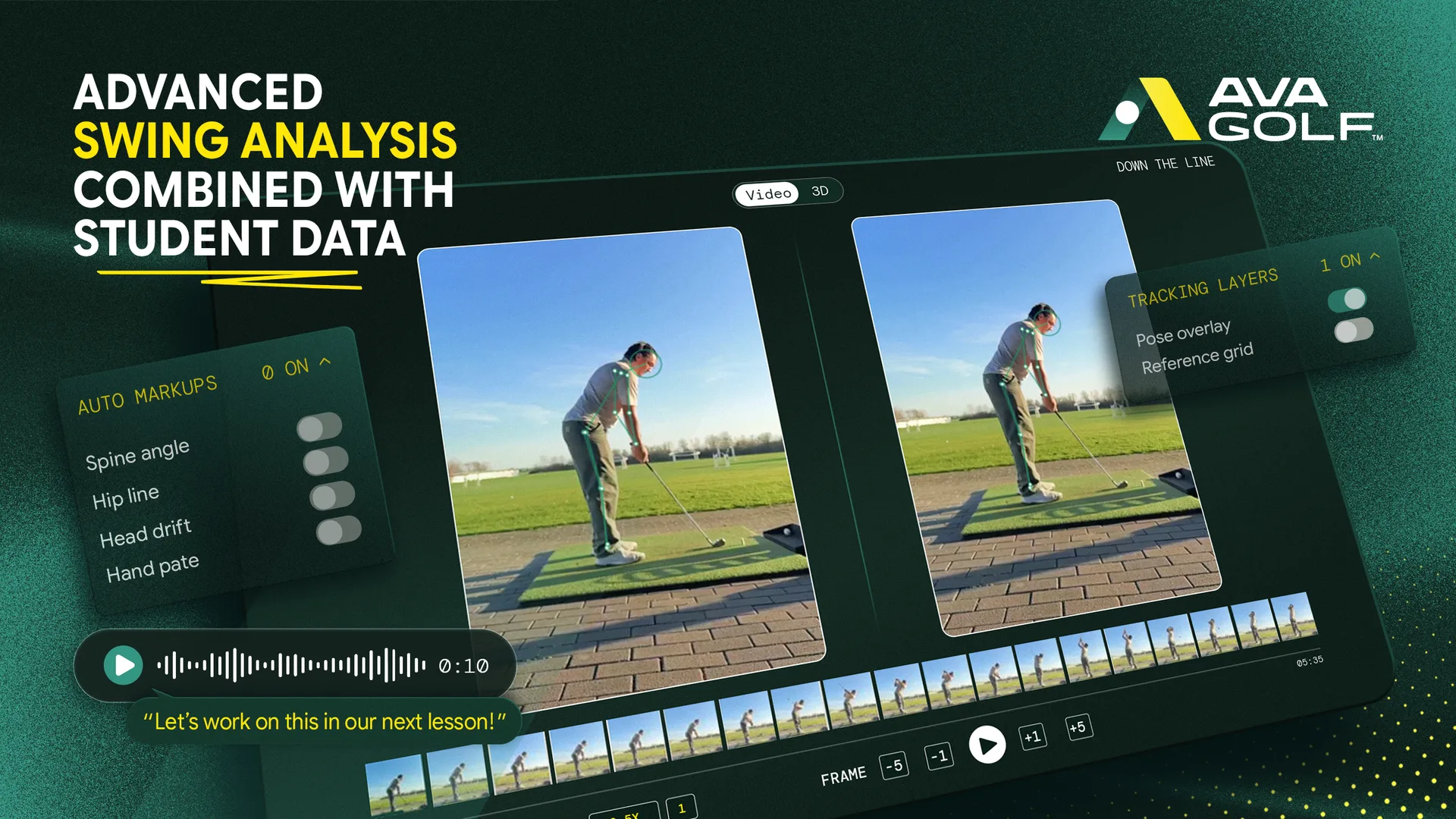
AVA Golf’s first sponsored athlete spent a competitive summer turning her own performance data into a practice plan, and finished it with two career-low rounds
Ava Klips knew she wanted to get better. What she didn’t always know was exactly what she needed to work on.
That is the gap most competitive golfers live in. It isn’t a lack of effort, and by now it is rarely a lack of data. It is a lack of direction about which hour of practice is the one that moves a score. Over roughly two months this summer, Klips closed that gap, and what follows is the record of how.
The case at a glance
Player: Ava Klips, freshman at Indiana University Southeast, and AVA Golf’s first sponsored athlete
Starting point: an official USGA handicap of 6.8, attached to a game she felt was playing closer to an 8 or 10 after time away from competition
Period: July onward, across tournaments in Kentucky, Ohio, Indiana and North Carolina
What she asked for: “I wanted to know what I was doing wrong and how to fix it.”
Result: two personal bests, a 77 and then a 76, inside roughly two months
Next goal: a 4 or 5 handicap by the end of the year
The starting point
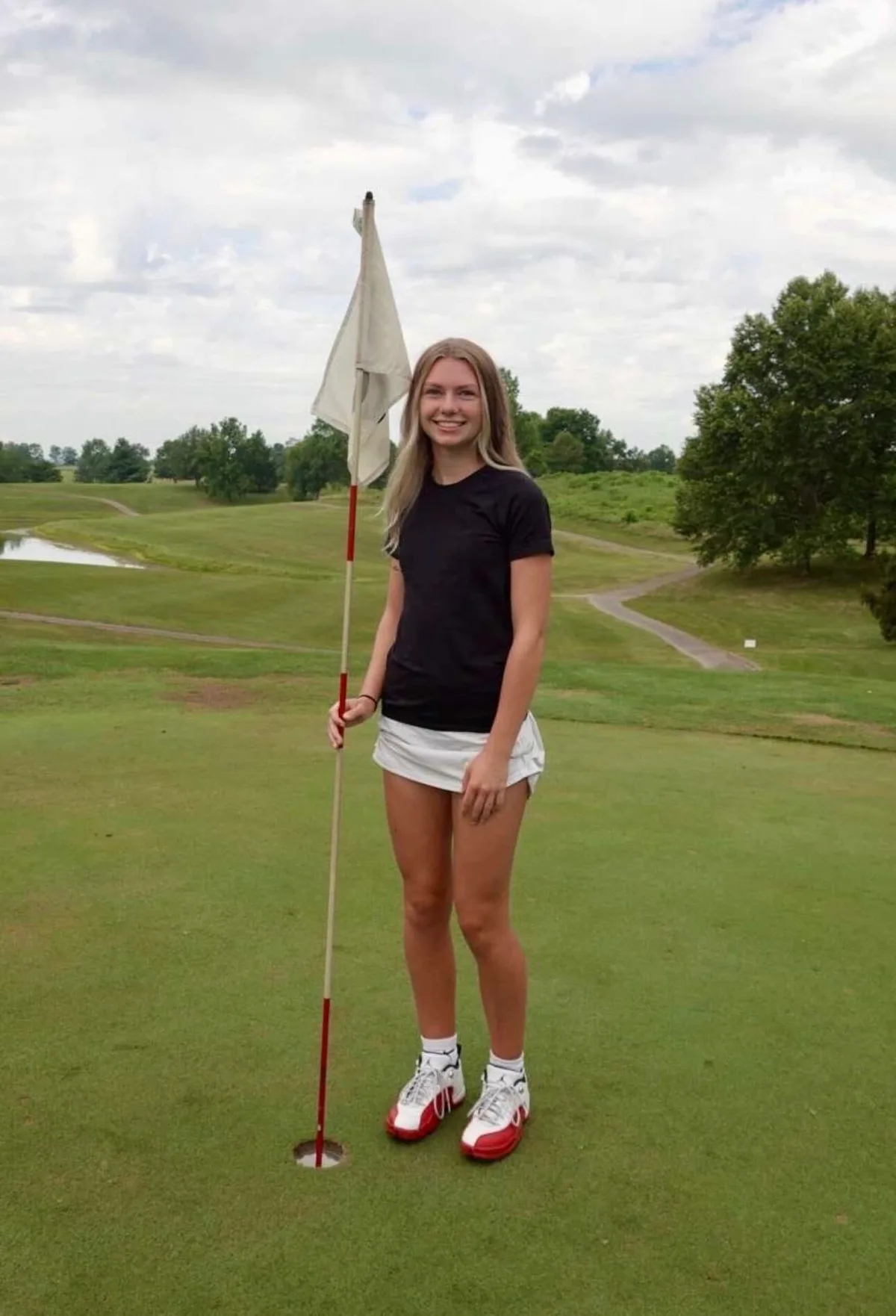
As a competitive golfer preparing for her freshman season at Indiana University Southeast, Klips entered the summer with an official USGA handicap of 6.8. After taking some time away from competition, however, she felt her game was closer to an 8 or 10 handicap.
She knew she had strengths, including confidence with the driver and a strong short game. She also knew there were strokes to be found in her iron play, putting and consistency. What she did not have was a way to rank those three against each other, and that ranking is the difference between practicing and practicing on purpose.
Most importantly, she wanted a better understanding of what to do with her practice time.
“I wanted to know what I was doing wrong and how to fix it,” Klips said.
That simple objective became the foundation of her summer as AVA Golf’s first sponsored athlete and the centerpiece of the company’s first short-term player improvement case study.
How the summer was set up
Beginning in July, Klips used AVA Golf throughout a competitive summer that took her to tournaments across Kentucky, Ohio, Indiana and North Carolina. Along the way, the platform analyzed her performance data and translated it into personalized visualizations and short instructional videos designed around her game.
The shape of that setup matters to how the case reads. This was not a controlled test run on a range. Klips was playing real tournaments in real conditions, and continuing to work with a swing coach every one to two weeks. AVA Golf sat across all of it as the layer that read the data and said what to do next.
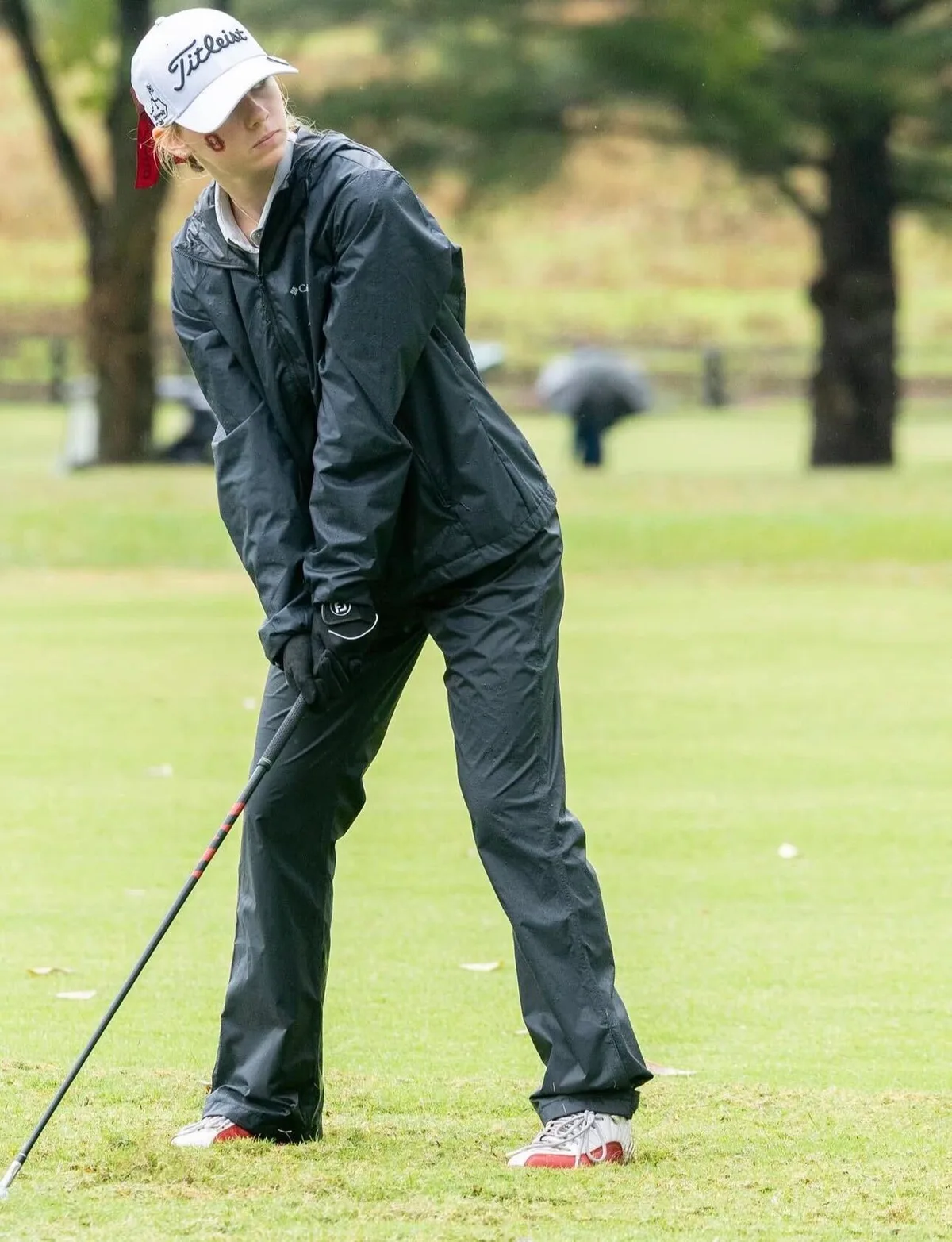
Competitive summer golf is not played in ideal conditions. The data came from rounds like this one.
What the data found: 150 yards and in
The biggest opportunity quickly emerged in her approach play, particularly from 150 yards and in.
Before using AVA Golf, Klips was missing more greens in regulation than she wanted and giving away strokes she knew she could not afford. AVA Golf helped her see those misses differently.
One of the platform’s approach visualizations showed exactly where her missed approach shots were finishing. Rather than simply knowing she had missed a green, Klips could see the patterns in her misses. She began practicing specific yardages with a better understanding of how far she actually hit each club.
“The graphic showing where my approach shots finish gave me a clear visual of exactly where my misses were going,” she said. “It introduced me to practicing targeted shots so I could understand how far I actually hit certain yardages versus what I thought.”
That last distinction is the point of a dispersion chart. A golfer’s yardages tend to be a memory of the best strike they ever made with each club, not an average of all of them. Seeing every miss plotted around the pin turns a belief about a number into a measured one, and it turns a bucket of balls into a session with a target.
From a screen to a garage, and a 77
Then came a moment that made the connection between data, practice and performance particularly clear.
The day before shooting a personal-best 77, Klips reviewed her AVA Golf instructional videos and took what she had learned into her garage for a practice session. The videos gave her a specific focus rather than another collection of generic golf tips.
She went out the next day and shot 77.
“I genuinely love the instructional videos,” Klips said. “They’ve done so much for my mental and physical game.”
A second personal best, in her first collegiate start
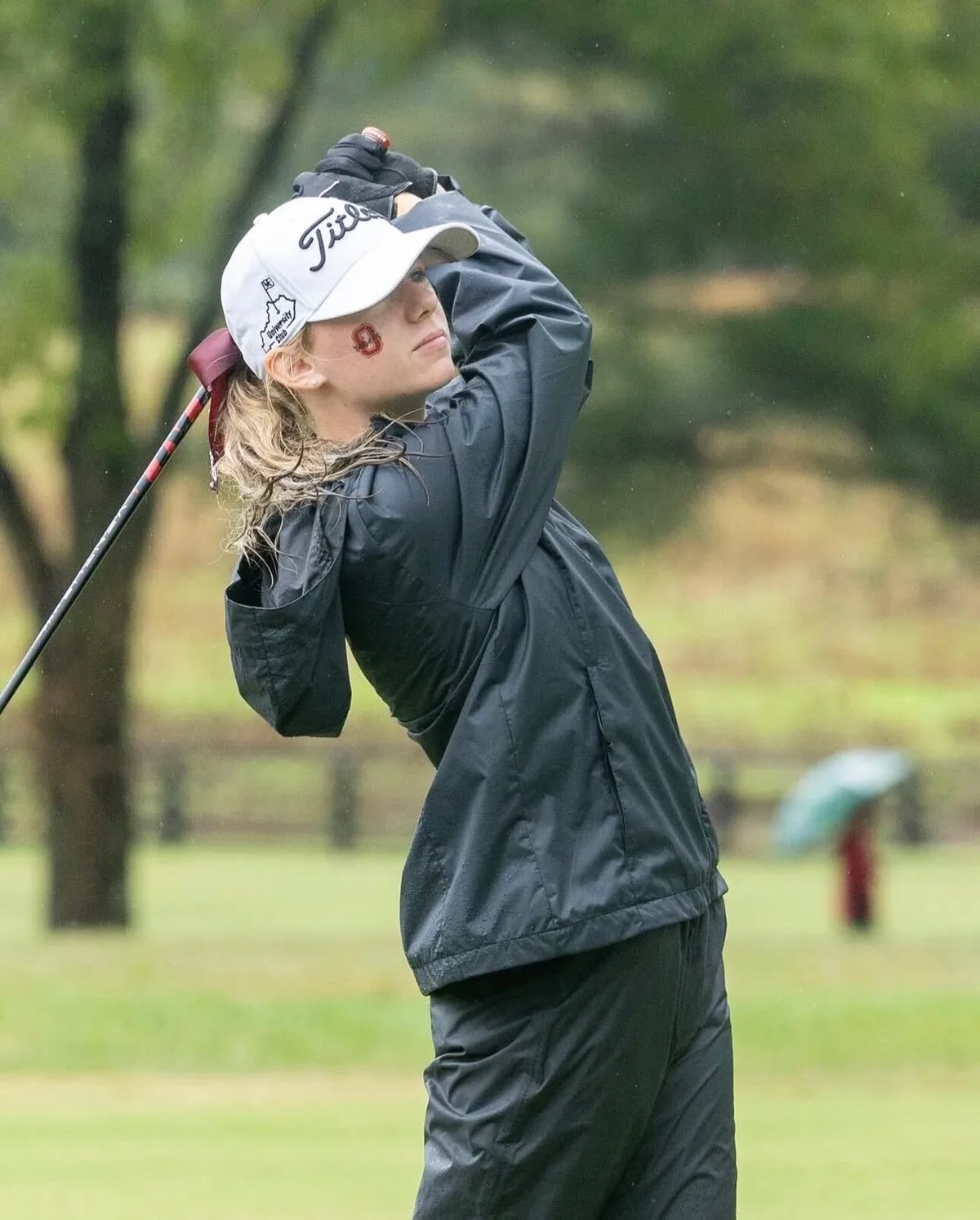
The progress continued. In her first collegiate tournament, Klips shot another personal-best 76, giving her two new career lows in the span of roughly two months.
Two rounds do not make a handicap, and nobody involved is claiming otherwise. What they do mark is a change in how the practice before them was chosen.
The weaknesses she didn’t know to look for
For Klips, the value of AVA Golf has gone beyond identifying what was wrong. She said the platform helped simplify concerns she already had while uncovering weaknesses she had not recognized herself. Its recommendations also evolved as she added more rounds, reinforcing that the instruction was responding to her actual performance.
“It wasn’t just telling me what I knew about my game,” she said. “It taught me things I didn’t know needed as much work.”
That is the harder half of the problem. Most golfers can name the weakness that embarrasses them. The weakness that quietly costs two shots a round is the one that needs finding, and finding it takes a record of every shot rather than a memory of the worst ones.
The partnership runs in both directions
That real-world experience is also helping AVA Golf evolve. As part of the partnership, Klips has provided feedback on the platform, including preferences for heatmaps, more intuitive strokes gained and club-gapping visualizations, stronger putting analytics and trend-based skill visualizations.
The partnership was intentionally designed to be more than a traditional athlete endorsement. Klips is using AVA Golf in competition, in practice, and alongside her work with a swing coach every one to two weeks. Her experience provides AVA Golf with a real-time view of how a competitive golfer uses performance data to make decisions about her game.
Where it stands now
Now, as she begins her freshman season at Indiana University Southeast, Klips has more than two personal-best scores to show for her summer. She has a clearer picture of her game, a better understanding of where to focus and a more intentional approach to practice.
Her next goal is a 4 or 5 handicap by the end of the year.
“Practicing with intention is crucial, especially in college golf,” Klips said. “AVA Golf makes those practice sessions much easier because you know what you should be working on. You still have to put in the work, but having that information makes a huge difference.”
What to take from it
Klips had the swing, the coach and the practice time before this summer. What she added was a read on which part of her game deserved that time, and in what order. Two career-low rounds followed inside two months.
Your own answer will not be 150 yards and in, because it is your data and not hers. The method is the same either way: let the record of your rounds tell you where the strokes are actually going, then go practice that.
You can learn more about AVA Golf at avagolf.com.